Home › Good-Things Stories › Kindness stories
🌸 Stories about kindnessGentle stories that show little ones what being kind looks like, one small moment at a time.
Most young children cannot follow a lecture about "being kind." The words are too big and the moment is gone before it lands. A story works differently. When a child watches a friendly character stop, notice a feeling, and help, they see kindness happen in slow motion. They feel the warm ending. And because children learn so much by copying, they carry that little picture with them into their own day.
That is why our kindness stories stay small and calm. No shouting, no big lesson at the end — just one clear, gentle moment of one friend being kind to another. For ages about 2 to 6, small and slow is exactly right.
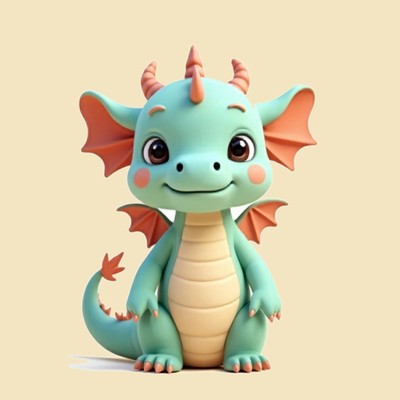
By a calm blue pond in Glimmer Valley, Milo the little dragon loses his favorite flower to the water and feels sad. His friend Poppy notices, sits close, and does one small kind thing that turns his whole day around.
What it teaches: noticing when a friend feels sad, sitting with them, and helping in a small way. It shows that kindness does not have to be big to matter.
A gentle 2-minute story about noticing feelings and being kind to a friend.
Watch the storySimple, calm ideas for helping a toddler learn to be kind at home.
Read the guideRight now this is our one kindness episode — Glimmer Valley is a small, new show. More gentle stories about being kind are on the way. You can also print a Poppy the bunny coloring page and color together while you talk about a kind thing your child did today.
A good kindness story is short, calm, and shows one clear kind act rather than explaining it. Look for a character who notices a friend's feeling and helps in a small way, with a warm, gentle ending. "A Little Kindness" is built exactly this way for ages 2 to 6.
Young children learn by watching and copying. A story lets them see kindness happen and feel the happy ending, which sticks far better than being told to "be nice." Talking together afterward — "how did that make the friend feel?" — helps a child carry the idea into their own day.
 Glimmer Stories